Exterior Grading & Drainage Problems: Why Spring Reveals Foundation Risks
Spring doesn’t just bring rain—it exposes how well a property manages water.
As temperatures rise across New Jersey and the ground fully thaws, drainage patterns around homes become more active. Heavy rain combined with saturated soil can quickly highlight grading and drainage deficiencies that may not have been visible during winter.
Improper water management is one of the leading contributors to foundation issues, basement moisture, and long-term structural concerns.
Why Grading & Drainage Matter
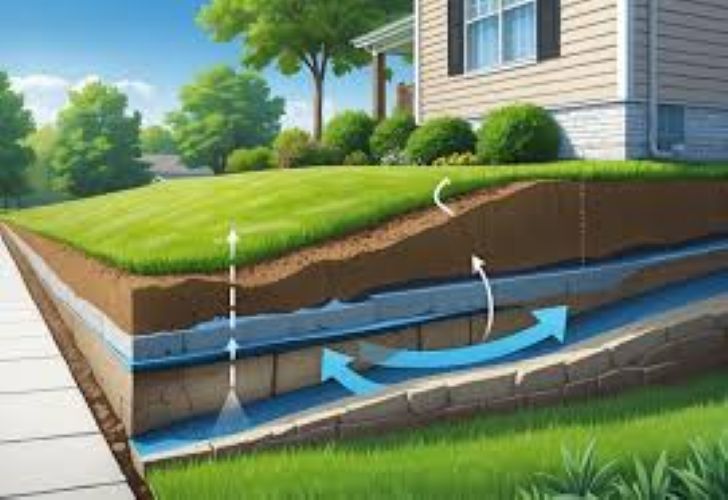
Water should always move away from the home.
When it doesn’t, problems can develop such as:
Basement water intrusion
Foundation settlement
Crawl space moisture
Soil erosion
Structural movement over time
Spring is when these issues become most noticeable due to increased rainfall and soil saturation.
What Inspectors Commonly Find in Spring
1️⃣ Negative Grading (Slope Toward the Home)
The ground around the foundation should slope away at least 6 inches over the first 10 feet.
Common issues include:
Soil settlement over time
Improper landscaping
Walkways or patios pitched toward the house
This allows water to collect near the foundation instead of draining away.
2️⃣ Downspout Discharge Problems
Downspouts that terminate too close to the home can dump large amounts of water directly at the foundation.
We often see:
Downspouts ending at the base of the wall
Extensions missing or disconnected
Water pooling near corners of the home
3️⃣ Poor Yard Drainage
Flat or low-lying yards may not properly move water away.
Signs include:
Standing water after rain
Soggy soil near foundation
Lawn depressions holding water
Over time, this increases hydrostatic pressure against foundation walls.
4️⃣ Walkways & Driveways Sloping Incorrectly
Hard surfaces like concrete walkways and driveways should direct water away from the structure.
Improper pitch can funnel water directly toward:
Garage doors
Foundation walls
Basement entry points
5️⃣ Erosion & Soil Displacement
Heavy rain can wash away soil near the foundation, exposing footings or creating voids.
This can lead to:
Uneven settlement
Cracking
Structural concerns if left unaddressed
Why This Matters for Buyers
Drainage issues can appear minor—but they often point to larger concerns.
Buyers benefit from:
Understanding water movement around the home
Identifying potential moisture risks early
Avoiding future foundation or basement issues
Why This Matters for Sellers
Correcting grading and drainage before listing:
Reduces inspection findings
Improves property presentation
Prevents buyer concerns from escalating
Simple fixes can make a major difference during negotiations.
Why Realtors Should Pay Attention
Drainage issues are often misunderstood by buyers.
What may be a manageable grading correction can be perceived as a major defect without proper explanation.
Early inspection helps:
Control the narrative
Provide clear solutions
Reduce deal friction
Prevention Tips for Homeowners
✔ Ensure soil slopes away from foundation
✔ Extend downspouts 4–6 feet from home
✔ Fill low spots in yard where water collects
✔ Monitor water flow during heavy rain
✔ Maintain gutters and drainage systems
❓ Frequently Asked Questions
How much slope should the ground have around a home?
Generally, at least 6 inches of fall within the first 10 feet away from the foundation is recommended.
Are drainage issues expensive to fix?
Many grading issues can be corrected relatively affordably with soil adjustments or downspout extensions.
Can poor drainage cause foundation damage?
Yes. Prolonged water exposure can lead to settlement, cracking, and structural movement.
Is standing water in the yard a serious issue?
It can be. Persistent pooling near the home increases the risk of water intrusion and soil instability.
Should this be fixed before listing a home?
Yes. Addressing drainage concerns early helps prevent buyer hesitation and inspection negotiations.
Final Thought
Water management is one of the most important—and most overlooked—aspects of home performance.
Spring provides a clear picture of how a property handles rain and runoff. Addressing grading and drainage issues early can prevent long-term damage and improve overall home value.
