Heating Systems Under Stress: What We See During January Inspections
Heating Systems Under Stress: What We See During January Inspections
January is when heating systems are truly put to the test. When temperatures drop and systems run nonstop, hidden problems often surface. During January inspections, we consistently see the same issues that can impact safety, efficiency, and long-term reliability.
Here’s what homeowners and Realtors should know about heating systems under stress.
Furnace Safety Issues
Furnaces work hardest during the coldest months, and that’s when safety concerns show up. We frequently find:
Cracked heat exchangers
Dirty or clogged burners
Failing ignition systems
Improper shut-off controls
These issues can reduce efficiency and, more importantly, create safety risks if left unaddressed. Look for signs like unusual odors, soot or rust around the furnace, frequent cycling, yellow or flickering burner flames, and any visible cracks or corrosion on the heat exchanger.
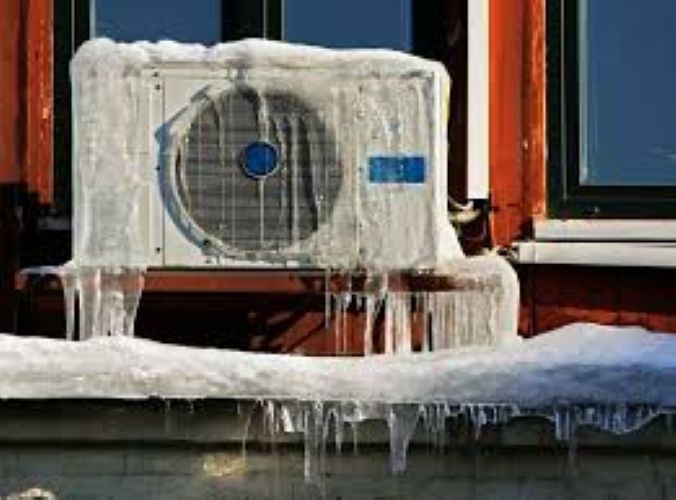
Heat Pump Performance in Cold Weather
Heat pumps can struggle in extreme cold, especially older models or systems not designed for low temperatures. Common findings include:
Inadequate heat output
Improper auxiliary heat operation
Frozen outdoor components
Poor airflow due to maintenance neglect
Understanding how a heat pump performs in January is critical for setting realistic expectations and avoiding surprise repair costs. Add what to look for
Carbon Monoxide Risks
Carbon monoxide is one of the most serious concerns we see during winter inspections. Problems often stem from:
Back-drafting appliances
Incomplete combustion
Blocked or disconnected flue pipes
Missing or non-functional CO detectors
Because CO is odorless and invisible, inspections play a vital role in identifying risks before they become dangerous. where should co detecter be place for best rersults
Improper Venting and Exhaust Issues
Improper venting is a common winter discovery. Snow buildup, corrosion, or poor installation can restrict exhaust flow, leading to inefficient operation and potential safety hazards. We often see:
Vent pipes pitched incorrectly
Exhaust discharging too close to windows or doors
Rusted or deteriorated vent connections
Aging Systems Under Pressure
January doesn’t create problems, it exposes them. Aging systems that have “worked fine” for years may begin failing when run continuously. Inspections often reveal:
Equipment nearing the end of its service life
Deferred maintenance issues
Components under excessive strain
Why January Inspections Matter
A winter inspection gives homeowners and buyers real-world insight into how a heating system performs when it matters most. For sellers and Realtors, identifying issues early helps avoid last-minute negotiations or surprises.
At J Siddons Home Inspections, we focus on clear, honest evaluations, no scare tactics, just straightforward information so clients can make smart decisions during the coldest months of the year.
If your heating system is working overtime this winter, an inspection can provide peace of mind when you need it most.

