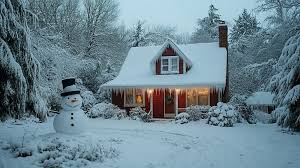
Snow-Covered Homes: What Inspectors Can — and Can’t — See in February
February inspections come with a unique challenge: snow and ice can hide important parts of a home. Buyers are often surprised to learn that certain components simply aren’t visible during winter conditions—and that’s not an oversight, it’s a reality of seasonal inspections.
Understanding what inspectors can and can’t evaluate during snow-covered conditions helps set realistic expectations, reduces confusion, and ensures buyers know what to recheck once the snow melts.
What Snow Can Hide During a Home Inspection
When snow is present, several exterior components may be partially or fully inaccessible, including:
Roof coverings – Snow and ice prevent safe access and limit visibility of shingles, flashing, and wear patterns
Foundation walls – Snow against the home can obscure cracks, movement, or moisture staining
Grading and drainage – Soil slope, low spots, and drainage patterns are often hidden
Walkways, driveways, and exterior steps – Cracks, settlement, or trip hazards may not be visible
Decks, patios, and exterior surfaces – Structural elements and surface conditions may be concealed
These limitations are common in winter inspections and are addressed in inspection reports to clearly document what could not be fully evaluated.
How Inspectors Compensate in Winter Conditions
Even with snow cover, inspectors don’t stop at “can’t see it.” Instead, they adapt by:
Documenting limitations clearly in the report
Inspecting visible areas closely for indirect indicators of problems
Looking for interior clues, such as water staining, drafts, or moisture intrusion
Reviewing attic and basement conditions for signs of roof or foundation issues
Recommending follow-up evaluations when conditions improve
This approach aligns with New Jersey’s Standards of Practice and ensures transparency while still providing valuable insight.
Why These Limitations Matter for Buyers
Snow-related limitations don’t mean an inspection is less valuable—but they do mean buyers should plan ahead.
Understanding what couldn’t be inspected allows buyers to:
Avoid surprises in spring
Budget for potential follow-up evaluations
Request seller documentation or disclosures
Recheck critical exterior areas once conditions improve
A winter inspection is often the only chance to see how a home performs under stress, but it should be paired with seasonal awareness.
What Buyers Should Recheck After the Snow Melts
Once snow and ice are gone, buyers should revisit or have re-evaluated:
Roof coverings and flashing
Foundation walls and exterior cracks
Drainage patterns and grading
Deck supports and exterior stairs
Walkways, patios, and driveways
In some cases, a follow-up or reinspection can provide peace of mind and catch issues that weren’t visible in February.
Frequently Asked Questions
Is a winter home inspection still worth it?
Yes. Winter inspections reveal how systems perform in cold weather and often expose issues that aren’t visible during warmer months.
Does snow mean the inspector missed things?
No. Snow creates access limitations, which are clearly documented. Inspectors follow Standards of Practice and report what is visible and what is not.
Can inspectors remove snow to see more?
Inspectors do not shovel snow, scrape roofs, or disturb frozen conditions due to safety concerns and risk of damage.
Will these limitations be listed in the report?
Yes. Any area that couldn’t be fully inspected due to snow or ice is noted in the inspection report.
Should buyers request a reinspection in spring?
In many cases, yes—especially for roofs, foundations, and exterior drainage. A seasonal follow-up can be a smart investment.
Do sellers need to disclose issues hidden by snow?
Sellers are still responsible for known defects, even if snow temporarily conceals them.
Closing
Snow-covered homes are part of buying in New Jersey—but informed buyers make better decisions. Understanding inspection limitations, asking the right questions, and planning follow-ups ensures winter conditions don’t turn into spring surprises.
At J Siddons Home Inspections, we focus on clarity, documentation, and helping clients understand not just what we see—but what seasonal conditions may be hiding.

